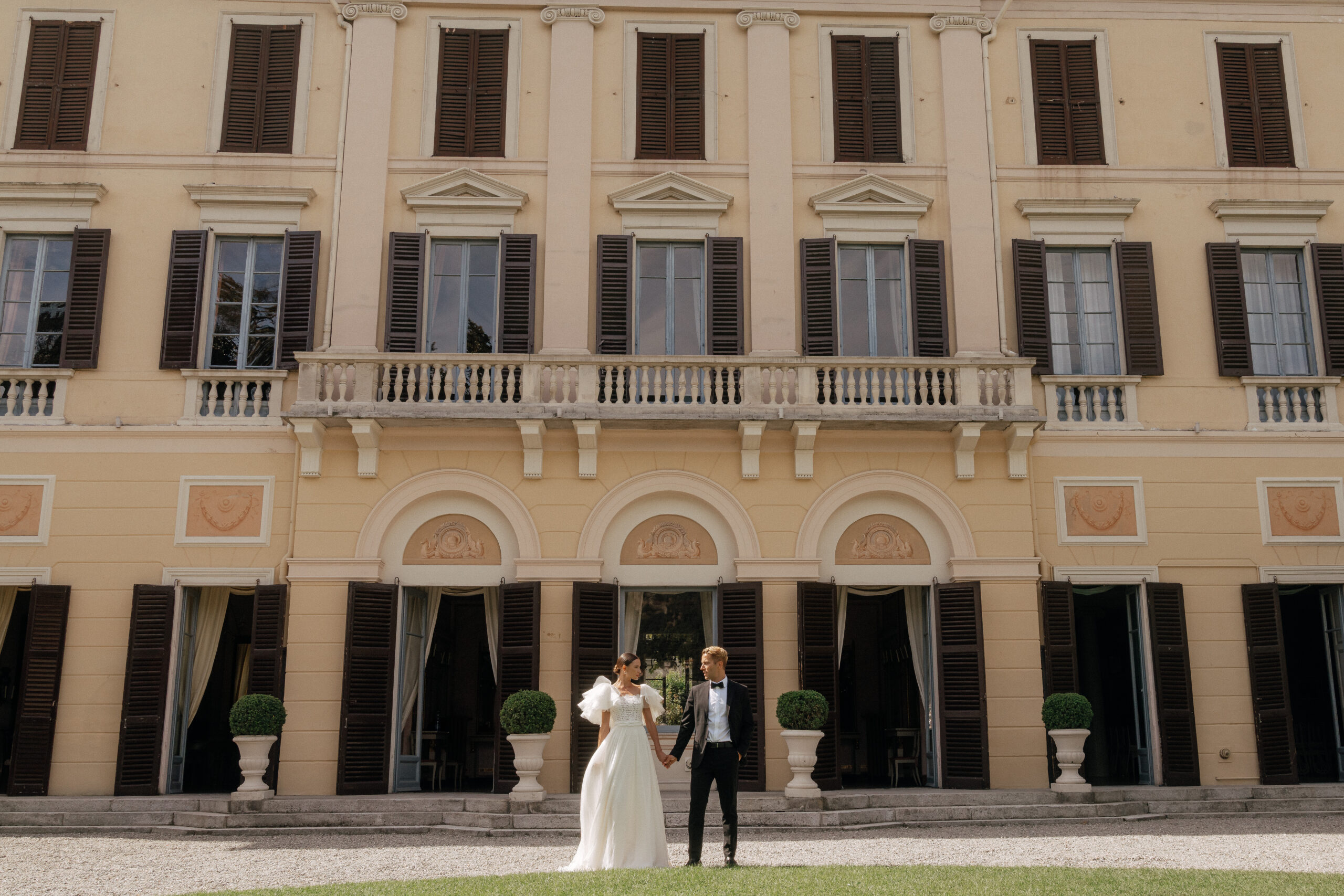

People often tell me they can recognize my work before they see my name attached to it. At first, I thought they were exaggerating. Then I realized: they weren’t identifying a preset or a color grade—they were identifying a feeling. A sense of movement, warmth, intimacy, and presence that’s hard to fake and impossible to replicate with a trendy edit.
The West James look is not built on gear.
It’s not built on tricks.
It’s built on a philosophy: photography rooted in emotion and elevated with intentional craft.
Film brings depth.
Flash brings energy.
Feeling brings meaning.
Combined, they create something timeless and alive—images that look like you were there, feeling everything in real time.
This is the guide that finally breaks it all down.
01. Why Your Wedding Photos Should Feel Alive—not Polished to Perfection
Most modern wedding galleries fall into one of two camps:
1. “Pinterest-perfect but emotionally empty.”
Everything’s aligned, everything’s smooth, everything’s pristine… and yet the couple looks like they’re just performing for the camera.
2. “Raw candids that lack intentionality.”
Great energy, but muddy tones, distorted lighting, and inconsistencies that break the storytelling.
The West James style is the middle ground:
elevated, editorial, emotional.
Never stiff. Never chaotic. Always human.
Here’s why it matters:
When you look back on your wedding photos, you shouldn’t think about how pretty you were—you should feel the day again.
That’s where film, flash, and emotion-based directing come in.
02. FILM: The Secret Weapon for Emotional Depth
Film is not nostalgic for nostalgia’s sake.
It’s not “retro.”
It’s not a gimmick.
Film shifts the entire energy of an image.
Why Film Works So Well for Weddings
Film slows everything down—both for the couple and the photographer. You’re not firing off 50 shots a minute. You’re anticipating the moment, breathing with it, and capturing it with deliberate intention.
Film gives imagery:
- Softer highlights
- Richer blacks
- Dreamy grain that feels like memory
- Skin tones that look real—not over-edited
- A timeless color palette that ages gracefully
When couples see their film scans, they always say the same thing:
“It feels like a memory.”
Exactly.
The Psychological Impact of Film
When I pull out the film camera, something happens. Couples start to:
- Move slower
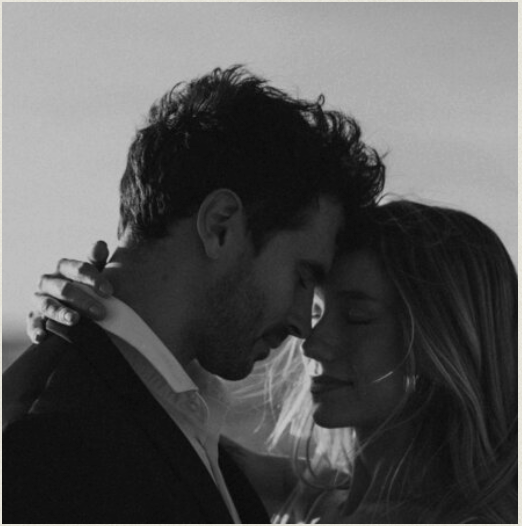
- Connect deeper
- Relax more
- Trust the moment
Film creates an emotional environment that digital can’t replicate.
Film in the Flow of a Wedding Day
Film is not used everywhere. It’s used with purpose:
- Quiet moments
- Golden hour portraits
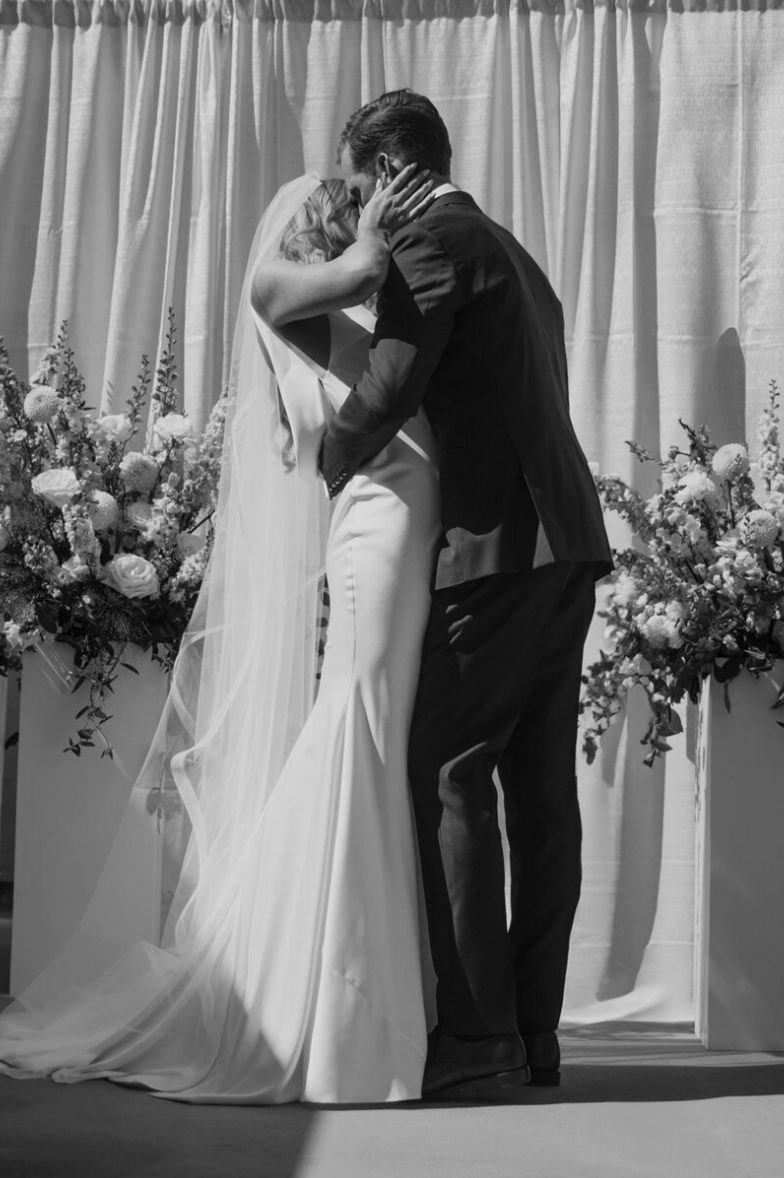
- Intimate candid exchanges
- Slow, movement-based shots
- Scenes with depth and texture
Film doesn’t force emotion—it reveals it.
03. FLASH: Where the Energy Lives
Flash is misunderstood. Most people think of:
- Harsh nightclub snapshots
- Blown-out details
- Blue-tinted highlights
- Red eyes and chaos
But when used intentionally, flash is the backbone of editorial party photography.
Why Flash Is Essential for Wedding Receptions
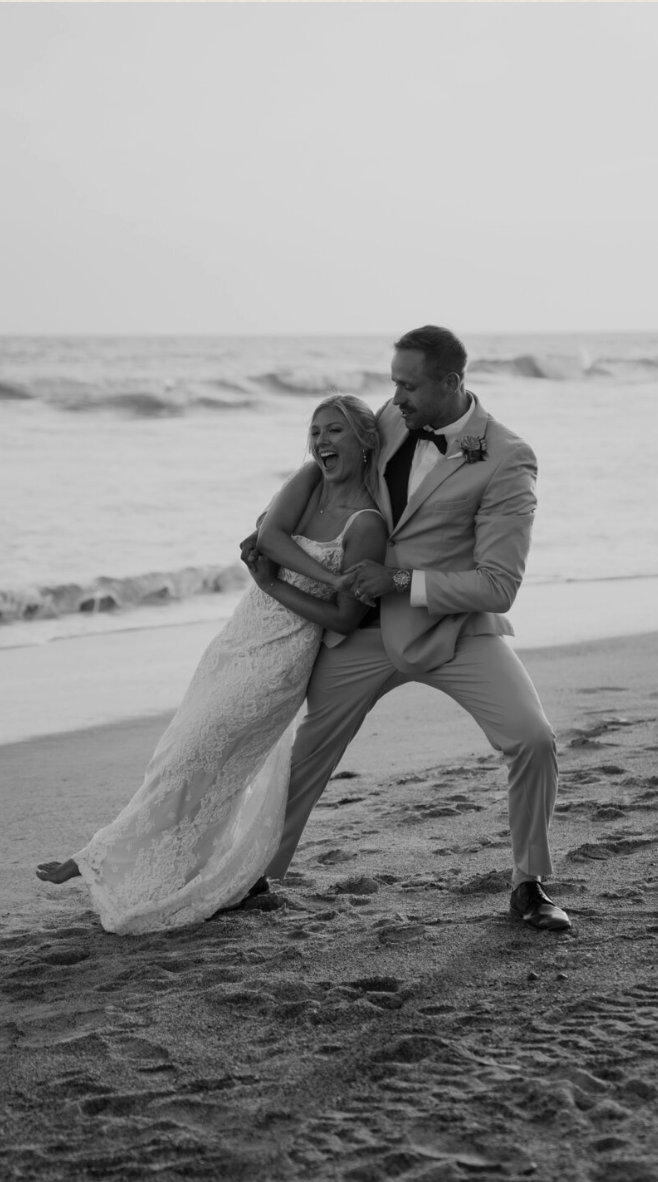
A wedding reception is not a passive event—it’s a living organism. People loosen up, let go, laugh harder, dance wilder.
This is where your story becomes alive.
Flash captures:
- Movement
- Mood
- Atmosphere
- Sparkle
- Sweat
- Expressions that only happen once
Without flash, nighttime reception photos get muddy or blurry.
With flash, they look iconic.
The West James Flash Look
Not harsh.
Not amateur.
Not paparazzi.
Think:
- Clean subjects with ambient background
- Just the right amount of motion blur
- Crisp highlights
- Lively, honest energy
- Dance floor images that feel like a magazine spread
Flash is the tool, but energy is the subject.
Flash Works Best When…
- The dance floor is packed
- There’s movement
- You want to amplify the emotion
- The couple is fully present
- The lighting is intentional, not accidental
The goal is not to freeze chaos.
The goal is to make the chaos beautiful.
04. FEELINGS: The Most Important Element (and the One Most Photographers Ignore)
Here’s the truth:
You can have perfect lighting, perfect composition, and perfect settings… and still miss the moment entirely.
Feelings matter more than gear.
More than technique.
More than Pinterest boards.
More than poses.
How Emotion-Based Photography Works
Instead of forcing poses, I observe micro-moments:
- The exhale right before you walk down the aisle
- The way your partner reaches for your hand without thinking
- The look your best friend gives you when they’re holding back tears
- The quiet in-between seconds when you think no one’s watching
These moments are not captured by accident.
They’re captured by reading people—not just photographing them.
Photography as Emotional Intelligence
The West James style is built on:
- Reading the room
- Sensing when to step in and when to step back
- Guiding when needed, observing when not
- Amplifying your natural chemistry
- Protecting your emotional environment
A good photographer directs poses.
A great photographer directs energy.
Why This Matters for Your Timeline
When the day feels too structured or too chaotic, emotion disappears.
That’s why timeline strategy is part of the aesthetic:
- We create space for authentic moments
- We avoid crowding the day with unnecessary transitions
- We design windows for intimacy and windows for energy
Emotion can’t be forced.
But it can be protected.
05. How Film, Flash & Feeling Work Together (The System Behind the Signature Look)
Think of your gallery like a film:
Film = The Story’s Heart
Soft. Organic. Romantic. Intimate.
Flash = The Story’s Pulse
Alive. Vibrant. Unrestrained. Electric.
Feeling = The Story’s Truth
Honest. Human. Unscripted.
When all three are woven into the gallery, you get:
- Visual contrast that keeps the story dynamic
- Emotional peaks and valleys
- Editorial artistry with documentary honesty
- A sense of movement, even in still images
- A gallery that feels curated but unscripted
This is the difference between “nice photos” and “we can feel the day again.”
06. The Art of Directed Spontaneity (or: How to Get Photos That Look Effortless)
Effortlessness takes effort.
But not the kind people think.
There’s a method I call directed spontaneity:
creating a loose framework that invites natural reactions.
How It Works
Instead of saying:
“Stand here, put your hand here, tilt your head this way…”
I say things like:
“Walk toward me like you’re pulling them into a secret.”
“Hold each other and breathe.”
“Whisper the first thing you noticed about them this morning.”
“Don’t look at the camera unless you feel like it.”
Movement produces authenticity.
Stillness produces stiffness.
The Three Types of Direction
- Prompting – A suggestion that sparks emotion.
- Guiding – A subtle adjustment to shape the frame.
- Observing – Stepping out of the moment to let it evolve.
Knowing when to move between the three is the craft.
07. Digital’s Role: Clean, Crisp, Editorial Backbone
While film adds nostalgia and flash adds energy, digital is the structure holding the story together.
What Digital Does Best
- Clean portraits
- Ceremony moments
- Family groupings
- Editorial detail shots
- Low-noise images in well-lit environments
Digital provides:
- Clarity
- Consistency
- Flexibility
It allows me to move between environments without interrupting the flow.
The magic happens when digital, film, and flash are not competing…
but cooperating.
08. Emotional Safety: The Most Underrated Part of Wedding Photography
Most people don’t consider this part—but it’s everything.
When you feel emotionally safe:
- You smile naturally
- You move freely
- You relax your shoulders
- You connect more deeply
- You aren’t thinking about how you look
My job is not just to photograph you.
My job is to create a space where you can be yourselves.
This is done through:
- A calm, confident presence
- Clear communication
- Attunement to your energy
- Zero pressure posing
- Encouraging joy, not forcing it
Emotionally safe couples take better photos.
Period.
09. The Editing Philosophy: Why the Final Look Feels So Distinctive
Editing isn’t about colors—it’s about feeling.
What the West James Edit Prioritizes
- Skin tones that feel true
- Film-inspired contrast
- Soft highlights
- Clean shadows without crushing detail
- Warmth balanced with clarity
- Grain used with intention
- Cohesion across environments
The edit is not a filter.
It’s a translation of the day’s emotional atmosphere.
Film x Digital x Flash = Editorial Harmony
- Film adds organic softness
- Digital adds structure
- Flash adds energy
- Editing brings them into one cohesive world
This is how you get a gallery that feels timeless, modern, and emotionally resonant.
10. Why Style Isn’t a Trend—It’s a System
The West James look is not something you can copy with a preset.
It’s built on:
- Intention
- Experience
- Emotional intelligence
- Technical mastery
- An understanding of human behavior
- A well-designed timeline
- A collaborative approach with the couple
- A commitment to photographing truth, not performance
A trend fades.
A system lasts.
This is a system.
11. The Result: Photos That Feel Like Your Life—Not a Photoshoot
At the end of the day, the goal is simple:
To create a gallery that feels like the best, most honest version of your wedding.
Not overly posed.
Not overly candid.
Not overly trendy.
Not overly curated.
Just you—but elevated.
Film captures the heart.
Flash captures the thrill.
Feeling captures the truth.
Put them together, and you get something that outlives the day.


Comments +